Cultural Etiquette Guide for Photographers
If you’re looking to assimilate into the culture effectively, here’s some tips on some Mexican-centric things to keep in mind.
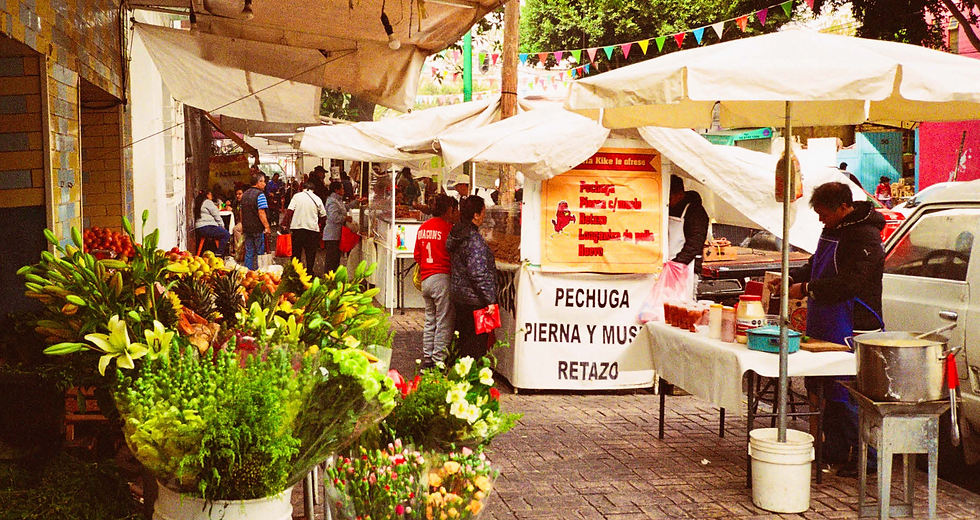
Community & Social Culture
Mexico has a strong sense of community and social connection, though it’s more collectivist in some areas and individualistic in others. Family, friends, and local neighborhoods play a central role in daily life, and people often prioritize helping others, maintaining relationships, and contributing to their community.
This manifests in everyday actions: neighbors looking out for one another, street vendors greeting regular customers by name, and families spending time together in plazas or parks. Acts of kindness from strangers—like someone helping you find your way or offering advice— are common and reflect this social warmth.
While younger generations may be more individualistic, Mexico City still carries a cultural emphasis on relationships, respect, and community ties that shapes daily life.
Working Culture

People in Mexico City work hard. While most offices run typical 9-to-6 schedules, many workers juggle long commutes, multiple jobs, or evening shifts in restaurants, stores, or offices.
You’ll see the effects of this everywhere: latenight street food vendors hustling after midnight, people catching a quick nap on Metro seats, and neighborhoods still bustling with life long after sunset.
It’s normal to see people out late socializing, eating, or running errands—the city never truly sleeps, and this vibrant energy reflects the hardworking, resourceful nature of its residents.
Noise
Mexico City is loud, vibrant, and full of life. Streets, markets, plazas, and buses are alive with chatter, music, street vendors calling out, and the constant hum of traffic—quiet corners are rare. Even at night, neighborhoods like Condesa, Roma, and Centro Histórico stay busy with people talking, laughing, and enjoying the city.
Embrace the sounds—they’re part of what makes Mexico City feel alive, energetic, and unforgettable.
Masks
If you’re visiting Mexico City, you might notice some people wearing face masks, especially in the winter or during high pollution days. Don’t be alarmed—it’s usually not because of illness.
Many wear masks to protect themselves from air pollution, dust, and smog, which can be strong in certain parts of the city.
People who are sick may also wear masks to prevent spreading germs, but the practice is less widespread than in some Asian countries.
Either way, it’s practical, especially on days with heavy traffic, construction dust, or in areas like the city center where air quality can be poor. Masks are simply a way to stay comfortable and protect your lungs while exploring the city.

Drinking Laws
While alcohol is easy to buy in Mexico City, do not drink in public. Even though enforcement can seem inconsistent, police often use public drinking as a reason to stop tourists and attempt to extort cash on the spot. I've had it happen to three of my friends.
To avoid problems, keep your drinking inside bars, restaurants, clubs, or private spaces. It’s not worth the risk, even if you see locals doing it. If you are stopped, stay calm, be respectful, and avoid escalating the situation. Prevention is the best approach here.
The legal drinking age in Mexico is 18, and it is generally enforced at licensed venues. The Spanish word for “cheers” is “salud.”

Money and Tipping
Mexico City is a mix of cash and card payments, so it’s wise to carry some cash with you at all times—especially small bills and coins for street food, markets, and public transport. Most restaurants, cafés, and shops accept credit or debit cards, but smaller vendors and taxis often do not.
Tipping is customary in Mexico. A 10–15% tip is standard in restaurants, cafés, and for taxis if the service is good, and rounding up is common for small purchases or street vendors. While service workers are generally friendly and helpful regardless, leaving a tip is expected and appreciated —it’s part of the local culture.
SIM cards and Internet
Getting mobile internet in Mexico City is easy. The main carriers are Telcel, AT&T, and Movistar, and you can pick up a prepaid SIM at convenience stores like OXXO, supermarkets, or official carrier stores. Make sure you know how to ask for one in Spanish, or have Google Translate handy—most staff won’t speak English.
Traveler SIMs usually come with data-only or combined talk-and-text plans for a set period (for example, 5–10 GB over 30 days). Using a SIM keeps you independent—no need for extra devices like pocket Wi-Fi. Internet speeds throughout the city are generally good, making it easy to navigate, share photos, and stay connected while exploring.

Planning a photography and filming trip to Mexico City?
I put together a free Creator's Call Sheet for Mexico City — a complete one-day photography and filmmaking itinerary designed to help you shoot the city's best locations in the best light while avoiding the biggest crowds.
It's built to minimize planning so you can spend more time creating and less time figuring out where to go next.
Download it free here → Creator's Call Sheet for Mexico City
Follow me for more photography locations, filming guides, and creator tips from Mexico City.